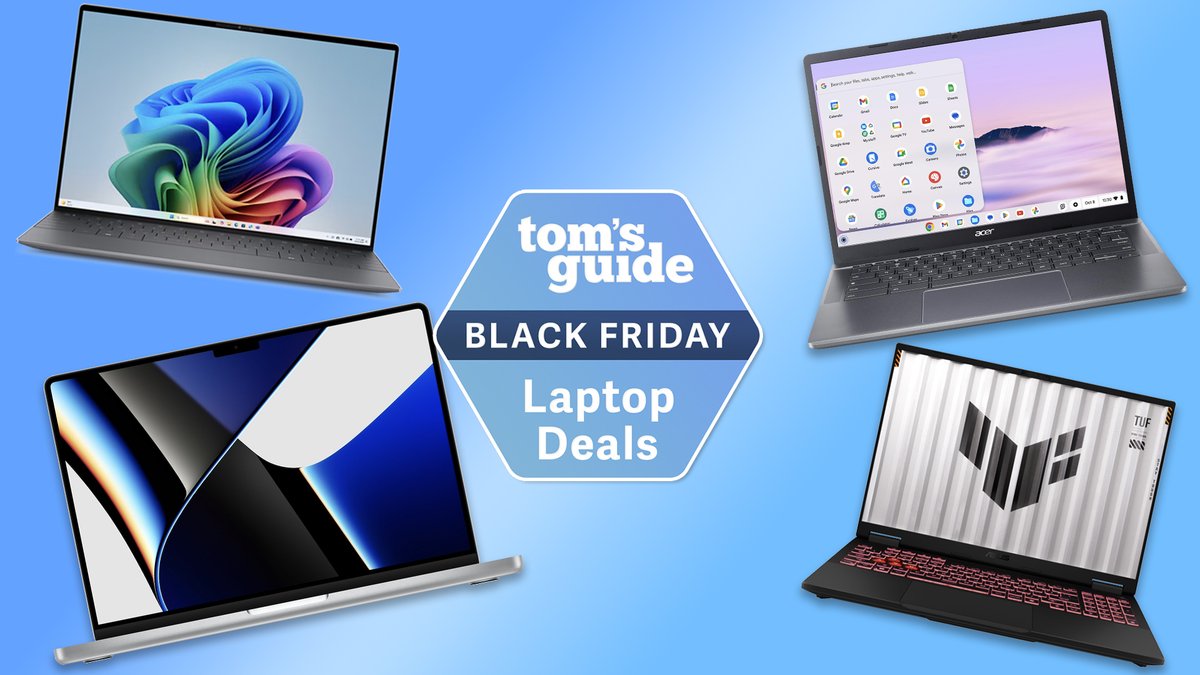
Stepping into today's tech market can feel like navigating a sprawling, constantly evolving bazaar. Every brand touts its latest innovation, every store promises the ultimate discount, and the sheer volume of options, from a new kitchen appliance to the latest smartphone, can be overwhelming. This isn't just a shopping trip; it's an investment in your daily life. That's why having a solid Buying Guide & Best Deals strategy isn't just smart – it's essential for making choices you'll be happy with long after the unboxing.
Forget impulse buys and decision paralysis. We’re here to cut through the noise, empowering you with the insights of a seasoned expert so you can approach your next tech purchase with confidence and clarity.
At a Glance: Your Smart Shopping Blueprint
- Define Your Needs: Focus on the problem you're solving, not just the shiny new features.
- Set a Realistic Budget: Understand value beyond just the lowest price tag.
- Research Beyond Reviews: Balance expert opinions with real-world user experiences.
- Time Your Purchases: Leverage sales cycles and seasonal promotions for significant savings.
- Consider Alternatives: Refurbished, open-box, or older models can offer incredible value.
- Factor in Longevity: Look for good warranties, support, and future-proof features.
- Avoid Pitfalls: Guard against impulse buys, compatibility issues, and hidden costs.
Why Smart Buying Matters More Than Ever
The tech landscape is a marvel of human ingenuity, offering everything from smart vacuums that map your home to portable power stations that can run an entire campsite. But this rapid innovation also means more choices, more jargon, and more opportunities for buyer's remorse. Companies like Best Buy understand this, offering a myriad of buying guides designed to demystify everything from kitchen appliances to electric vehicle charging stations.
Our goal here isn't just to tell you what to buy, but how to buy intelligently. We want to transform you from a reactive consumer into a proactive, informed decision-maker.
Decoding Your Needs: The Pre-Purchase Checklist
Before you even glance at a price tag or read a single review, take a moment to understand why you're shopping. This foundational step is critical for avoiding buyer's regret and ensuring your new gadget truly serves its purpose.
What Problem Are You Solving? (Functionality First)
Every great purchase starts with a need. Are you tired of manually vacuuming? Do you need a more efficient way to prepare meals? Is your old laptop struggling with video calls? Pinpoint the core problem.
- Example: You need a new vacuum. Is it for pet hair, hard floors, deep carpets, or quick spills? The best robot vacuums for daily maintenance are different from heavy-duty uprights. Don’t get swayed by a feature-rich, expensive model if a simpler, more targeted device would do the job better for your specific situation. Consider whether you need specialized attachments or a longer battery life before falling for marketing hype.
- Clarification: Don't just list features you want; prioritize features you need to solve your core problem.
Budgeting Realistically: Value vs. Price
Price is often the first thing we look at, but it shouldn't be the only factor. A "deal" isn't a deal if the product doesn't meet your needs or falls apart quickly.
- Define Your Range: Determine a comfortable minimum and maximum spend. Be honest with yourself about what you can afford.
- Consider Total Cost of Ownership: Beyond the initial purchase, think about accessories, extended warranties, power consumption, maintenance, and potential subscription fees. A cheaper printer might be a money pit if its ink cartridges are exorbitant.
- Value Proposition: Sometimes, spending a little more upfront on a durable, high-performing product with excellent support saves you money and headaches in the long run. Conversely, don't overspend on features you'll never use.
Future-Proofing Your Purchase: Longevity & Adaptability
Technology evolves rapidly. While you can't predict the future, you can make choices that extend the useful life of your purchase.
- Software Updates: Does the manufacturer have a track record of supporting its devices with regular software updates? This is crucial for smart devices and operating systems.
- Compatibility: Will this device integrate with your existing tech ecosystem? A smart home device that only works with one platform might limit your future choices.
- Modularity/Upgradability: Can components be easily replaced or upgraded (e.g., RAM or storage in a computer, batteries in some power tools)?
- Durability: Read reviews about build quality and expected lifespan. A robust design can withstand daily wear and tear for years.
Understanding Ecosystems: Compatibility & Integration
Many modern devices are designed to work within specific ecosystems. Apple, Google, Amazon, Samsung – each has its own network of compatible products and services.
- Smart Home Integration: If you have an Alexa-based smart home, buying a device that only works with Google Home might be a frustrating experience.
- Device Synergy: Consider how a new smartphone will integrate with your existing tablet or laptop. Apple users often find seamless integration across their devices, but the same can be true for Windows/Android users who stick within certain brand families. Understanding these connections is key to exploring smart home audio systems and other integrated tech.
Navigating the Digital Aisles: Where to Find the Best Deals
Once you know what you need, the hunt for the best price begins. This is where savvy shopping tactics truly shine.
Timing is Everything: Sales Cycles & Seasonal Savings
Retail follows predictable patterns, and understanding them can unlock significant savings.
- Holiday Sales: Black Friday, Cyber Monday, Prime Day, Memorial Day, Labor Day, and end-of-year sales are prime times for major electronics and appliances.
- New Model Releases: When a new model is announced or released, older (but still perfectly capable) models often see steep price drops. If you don't need the absolute latest and greatest, this is a golden opportunity.
- Seasonal Specifics: Air conditioners go on sale in the fall/winter; outdoor gear and grills often see discounts post-summer. Large appliances might get special bundles during renovation season.
Price Tracking Tools & Alerts
Don't manually check every retailer daily. Let technology do the heavy lifting.
- Browser Extensions: Tools like Honey, CamelCamelCamel (for Amazon), or Keepa can track price history and notify you when an item drops to a desired price.
- Price Comparison Websites: Use sites that aggregate prices from various retailers to ensure you're seeing the full market picture.
- Newsletter Subscriptions: Sign up for newsletters from your favorite retailers and deal aggregators. They often announce flash sales or exclusive discounts.
Refurbished vs. Open-Box: Smart Alternatives
Sometimes, "new" isn't necessary to get a great product.
- Refurbished: These items have typically been returned to the manufacturer, repaired if necessary, thoroughly tested, and certified to be in like-new condition. They often come with a limited warranty and significant savings. Always buy refurbished directly from the manufacturer or a reputable certified refurbisher.
- Open-Box: These are customer returns where the box was simply opened. The item itself might be untouched or minimally used. Often sold at a discount by retailers, they can be a fantastic way to save, especially for larger items like appliances or TVs. Always check the retailer's open-box policy and return options.
Leveraging Bundles & Subscriptions
Retailers often bundle products or offer discounts if you subscribe to their services.
- Product Bundles: A new laptop might come with a discounted printer or extended warranty. A smart speaker might be bundled with a smart bulb. Evaluate if you actually need all components of the bundle.
- Service Subscriptions: Some mobile carriers offer device discounts if you commit to a long-term plan. Evaluate the total cost over the contract term to ensure it's truly a saving.
Essential Tech Categories: What to Look For
Let's dive into some common product categories, highlighting key considerations and potential pitfalls.
Home Appliances & Smart Home Devices
This category encompasses everything that makes your living space more comfortable and efficient.
Kitchen & Laundry: Beyond the Basics
- Refrigerators: Capacity, energy efficiency (Energy Star), smart features (e.g., internal cameras, touchscreens), ice/water dispensers, and configuration (French door, side-by-side, top/bottom freezer).
- Washers & Dryers: Front-load vs. top-load, capacity, energy efficiency, steam functions, smart diagnostics, and noise levels. Matching sets often offer aesthetic and functional harmony.
- Countertop Appliances: Blenders (power, container material), air fryers (capacity, presets), coffee makers (brew types, smart features). For these smaller items, look for ease of cleaning and durability.
Cleaning Power: Vacuums & Floor Care
The right vacuum can transform your cleaning routine. Consider floor types, pet ownership, and desired convenience.
- Stick Vacuums: Known for versatility and maneuverability. They often combine features from different brands. For instance, the Bosch Unlimited 10 vacuum was designed to pull key features from popular Dyson and Shark stick vacuums, offering impressive power and extras like swappable batteries. However, some users reported issues with debris falling out when the vacuum is turned off. This illustrates the importance of reading reviews beyond just the feature list.
- Robot Vacuums: Ideal for daily maintenance. Look for strong navigation (LiDAR vs. random bounce), app control, scheduling, and self-emptying dustbins. While a convenient option, consider if it's right for your home, or if you prefer a traditional upright. If you're comparing options, don't miss our guide on the best robot vacuums for your home.
- Carpet Cleaners/Wet Vacs: For deep cleaning and spills. Consider tank capacity and cleaning solution options.
Projectors & Home Audio: Building Your Entertainment Hub
Creating an immersive entertainment experience at home involves careful selection.
- Projectors: Resolution (1080p, 4K), brightness (lumens), throw distance (short-throw for small rooms), and connectivity. Consider ambient light conditions in your viewing space.
- Home Audio Systems: Soundbars offer simplicity; multi-component systems (AV receiver, speakers) offer superior quality and customizability. Decide between wired and wireless setups. For those eager to upgrade their audio experience, diving into exploring smart home audio systems can reveal the best options for your space and budget.
- Bluetooth Speakers: Portability, battery life, sound quality, and durability (water/dust resistance).
Personal Tech & Productivity
These are the devices that keep you connected, productive, and entertained on the go.
Computers & Mobile Devices: Work, Play, & Portability
- Laptops: Processor (Intel Core i5/i7, AMD Ryzen), RAM (8GB, 16GB+), storage (SSD for speed), screen size, operating system (Windows, macOS, ChromeOS), and battery life. Gaming laptops have different needs than ultrabooks for productivity. If you're weighing your options, be sure to check out our in-depth guide to choosing the right laptop.
- Desktops: More power and upgradability than laptops. Consider tower PCs (for gaming/heavy work) or all-in-one PCs (space-saving).
- Printers: Inkjet vs. laser, multifunction vs. single-function, wireless connectivity, and ink/toner cost per page.
- Cell Phones: Operating system (iOS, Android), camera quality, battery life, screen size, and storage. Consider carrier compatibility and unlocked options.
- Tablets: Screen size, operating system, productivity features (stylus support, keyboard cases), and entertainment value.
Cameras, Drones, & Content Creation: Capturing Your World
- Cameras: DSLR, mirrorless, point-and-shoot. Consider sensor size, interchangeable lenses, video capabilities (4K), and ease of use.
- Drones: Flight time, camera quality, GPS capabilities, obstacle avoidance, and ease of control. Be aware of local regulations for drone operation.
Headphones & Bluetooth Speakers: Your Portable Soundscape
- Headphones: Over-ear, on-ear, in-ear (earbuds). Consider wired vs. wireless, noise-canceling, sound quality, comfort, and battery life.
- Bluetooth Speakers: See Home Audio section above; for personal use, portability and ruggedness are key.
Sustainable & Future-Forward Tech
Investing in greener tech can save money and benefit the planet.
EV Charging Stations & E-Mobility (E-bikes, E-scooters)
The move towards electric transport is accelerating.
- EV Charging Stations: Level 2 chargers for home use offer faster charging. Consider amperage, cable length, smart features (scheduling, energy monitoring), and installation requirements. Our guide provides detailed insights into our comprehensive EV charging station guide.
- E-bikes & E-scooters: Motor power, battery range, top speed, folding mechanisms, and comfort features (suspension). Always prioritize safety features like lights and brakes.
Portable Power Solutions: Generators & Battery Banks
Whether for emergencies, camping, or job sites, reliable off-grid power is increasingly valuable.
- Inverter Generators: Quieter, more fuel-efficient, and produce cleaner power, making them ideal for sensitive electronics. For example, Our Champion 2000W inverter generator is a popular choice for its balance of power and portability.
- Portable Power Stations (Battery Banks): Silent, emissions-free alternatives, great for indoors or smaller power needs. Look for capacity (Wh), output ports (AC, USB-C, car outlet), and charging speed. For larger off-grid adventures or emergency preparedness, understanding your options in portable power solutions for your adventures is crucial.
Beyond the Price Tag: Evaluating True Value
The "best deal" isn't always the cheapest. True value encompasses reliability, support, and peace of mind.
Warranty & Support: Your Safety Net
- Manufacturer's Warranty: Understand the length and what it covers. A 1-year warranty is standard, but longer ones (or options to extend) can be a significant benefit.
- Customer Support: Research the brand's reputation for customer service. Easy access to support (phone, chat, email) can be invaluable if something goes wrong.
Return Policies & Trial Periods
- Retailer Policies: Familiarize yourself with the return window, restocking fees, and condition requirements for returns (e.g., must have original packaging).
- Trial Periods: Some products (especially software or subscriptions) offer free trial periods. Use them to ensure the product meets your needs before committing.
User Reviews vs. Expert Opinions: A Balanced View
- Expert Reviews: Professional reviewers often have access to testing equipment and can provide objective comparisons against competitors. They highlight technical specifications and performance benchmarks.
- User Reviews: Provide real-world insights into daily usability, common problems, and customer service experiences. Look for patterns in complaints or praises. Be wary of overly enthusiastic or extremely negative reviews that lack detail, as they can be less credible. Focus on detailed, balanced feedback.
Sustainability & Ethics: Conscious Consumerism
- Energy Efficiency: Look for Energy Star ratings on appliances to save on utility bills and reduce environmental impact.
- Repairability: Consider products that are designed for easier repair or come with readily available spare parts.
- Brand Values: Some consumers prefer to support companies with strong ethical sourcing, labor practices, and recycling programs.
Common Buying Pitfalls to Avoid
Even the savviest shoppers can stumble. Here's what to watch out for.
Impulse Buys & Shiny Object Syndrome
That "limited time offer" or dazzling new feature can trigger immediate desire. Pause. Revisit your "Decoding Your Needs" checklist. Does this item genuinely solve a problem or fit your budget? Often, waiting 24 hours can bring clarity.
Ignoring Compatibility
"Will it work with what I already have?" This question is often overlooked in the excitement of a new purchase. A smart speaker that doesn't integrate with your existing smart lights, or a charging cable that doesn't fit your new device, creates unnecessary frustration and additional expense.
Overlooking Hidden Costs
- Accessories: Does that camera price include the lens you need? Does the tablet come with a stylus or keyboard, or are those extra?
- Installation: A new dishwasher might require professional installation. Factor that into the total cost.
- Subscriptions: Many smart devices or software now come with optional or mandatory subscription fees for full functionality.
Not Reading the Fine Print (Especially for Deals)
"Up to 50% off!" often means only a few select, undesirable items are at that maximum discount. Understand the terms of promotions, return policies for clearance items, and what exactly is included in a bundle. A "free gift" isn't free if you have to pay exorbitant shipping or commit to a monthly service.
Your Action Plan: Sealing the Deal Confidently
You’ve done your homework. Now it’s time to make that purchase.
- Final Review: Before clicking "buy" or heading to checkout, quickly review your top two or three choices. Compare them one last time against your core needs and budget.
- Check for Last-Minute Deals: Have you checked for any available coupon codes or loyalty program discounts? Sometimes a quick search for "[product name] coupon code" can yield extra savings.
- Confirm Return Policy: Double-check the specific retailer's return policy for that particular item, just in case.
- Consider Payment Options: Are there any benefits to using a specific credit card (cash back, extended warranty benefits) or financing options?
Final Thoughts: Empowering Your Purchases
Buying new tech doesn't have to be a stressful ordeal. By adopting a methodical approach – understanding your needs, researching thoroughly, timing your purchase strategically, and evaluating true value beyond just price – you can transform it into an empowering experience.
The market offers incredible tools to enhance our lives, from making our homes smarter to keeping us connected. With this buying guide as your compass, you're now equipped to navigate the options, spot the genuine value, and secure the best deals, ensuring every tech purchase brings you satisfaction and serves its purpose for years to come. Happy shopping!